Logan: Unlocking Creative Potential in Modern Design
Finding a typeface that breaks the mold without sacrificing professionalism is a rare discovery. Logan is exactly that kind of find—a stunning decorative display font engineered to be the visual anchor of your project. It doesn't just sit on the canvas; it commands attention through intricate details and creative letterforms that refuse to blend into the background. If you are tired of safe, predictable typography and want to inject a distinct personality into your work, Logan offers the artistic flair you need to make an immediate impact.
The Visual Power of a Creative Font
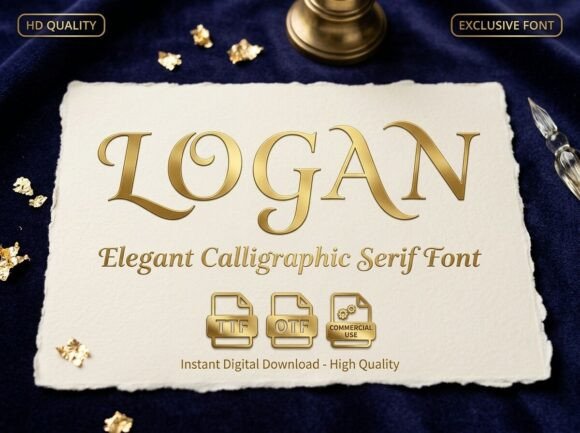
At its core, Logan is a premium font defined by its strong visual personality. Unlike standard workhorse fonts designed for long-form reading, this typeface is built for high-impact moments. It features unique artistic elements—perhaps specific ligatures, swashes, or structural quirks—that give it a handcrafted feel, yet it maintains a polished finish suitable for professional environments. It sits in a unique space between a classic serif font and a modern display font, offering the weight and presence of a bold headline choice with the flair of a custom lettering piece.
When you use Logan, you are leveraging a design asset that instantly elevates the perceived value of a project. The visual weight of the font helps establish a clear hierarchy, ensuring that your most important message is the first thing the audience sees. This isn't just about aesthetics; it's about psychology. A creative font like Logan suggests confidence, creativity, and attention to detail, which can significantly influence how a brand or product is perceived by its audience.
Strategic Applications for Maximum Impact
Understanding where Logan fits into your design toolkit is key to getting the most out of its features. Because it is a display font, it shines brightest in scenarios where text is meant to be read quickly and appreciated visually, rather than parsed for detailed information.
Building a Memorable Brand Identity
For entrepreneurs and small business owners, brand identity is everything. Using Logan for your logo design can set you apart from competitors who rely on overused sans serif fonts. It provides an instant "wow" factor that helps with brand recognition. Imagine a boutique coffee shop, an artisan jewelry line, or a creative agency using this typeface for their wordmark; it immediately communicates that the brand values artistry and uniqueness. It works exceptionally well for apparel and merch, making T-shirt slogans, tote bag designs, and hoodie graphics look like limited-edition art pieces rather than generic merchandise.
Editorial and Digital Dominance
In the realm of editorial design and publishing, Logan can transform a standard magazine layout into a collector's item. Use it for chapter titles, pull quotes, or cover headlines to grab a reader's eye on a crowded newsstand or in a digital feed. For web design and social media graphics, the font ensures your content stops the scroll. Whether you are creating a promotional banner for a sale, a podcast cover, or an Instagram quote, the distinct letterforms ensure your message stands out against the noise of the timeline.
Event Branding and Packaging
Music and event art relies heavily on typography to set the mood. Logan is ideal for album covers, festival flyers, and event branding where the vibe needs to be established instantly. Similarly, in packaging design, shelf presence is critical. A premium font like Logan gives products a high-end, artistic shelf presence that suggests quality before the customer even reads the label.
Practical Guidance for Using Logan
While Logan is visually striking, using a display font effectively requires a bit of strategy. To ensure your designs remain professional and effective, consider the following practical advice.
Readability and Hierarchy
Because Logan is a decorative typeface, it prioritizes style over legibility at small sizes. This is normal for display fonts. Avoid using it for body copy, long paragraphs, or detailed legal disclaimers where clarity is paramount. Instead, use Logan for the "hero" text—headlines, subheadlines, and logos—and pair it with a clean, neutral typeface for the supporting text. A simple sans serif font or a legible serif font often makes the best companion, creating a visual hierarchy that guides the reader’s eye naturally from the artistic headline to the informative body text.
Evaluating Project Fit and Font Pairings
Before committing to Logan, ask yourself: does this project need to feel energetic, artistic, or luxurious? If the answer is yes, it’s a strong fit. If the project requires a strictly utilitarian, corporate, or minimalist feel, you might want to reserve Logan for accent elements only. When testing font pairings, look for contrast. If Logan has a lot of texture or flair, pair it with a geometric sans serif. If Logan is bold and blocky, a lighter, airy script font or a standard serif might provide a nice balance.
Compatibility and Workflow
From a technical standpoint, Logan is designed to work seamlessly in your workflow. It is fully compatible with both PC and Mac systems. You can use it directly in professional software like Adobe Illustrator, Photoshop, and InDesign without issues. For those who prefer beginner-friendly tools, it works just as well in Canva and other web-based editors. This versatility ensures that whether you are a seasoned graphic designer or a small business owner managing your own marketing, you can access and utilize this creative font easily.
Licensing and Commercial Use
One of the most common oversights in design is ignoring licensing. If you plan to use Logan for commercial purposes—such as client work, selling merchandise, or monetized digital content—always verify the commercial licensing terms included with the font file. Ensuring you have the correct license protects you legally and ensures you are supporting the type designers who created these valuable design assets. Most premium fonts come with a license that covers standard commercial use, but it is always best practice to read the included documentation.
Elevating Your Creative Workflow
Ultimately, the goal of any design asset is to solve a visual problem. Logan solves the problem of mediocrity. It allows creators, designers, and business owners to bypass the "generic" look that plagues so much of modern marketing. By incorporating a typeface with this level of artistic integrity, you are not just choosing a font; you are choosing to communicate with authority and style.
Whether you are revamping a brand identity, designing a poster for a local event, or creating a new line of apparel, Logan provides the flexibility and the visual punch needed to succeed. It bridges the gap between modern typography and artistic expression, making it a versatile addition to any designer's library. Use it wisely, pair it thoughtfully, and watch how it transforms your next project from ordinary to unforgettable.